Material Selection

Learn how to select PE, PP, PTFE, nylon and metal filter materials based on chemical resistance, temperature, pressure and application requirements.

What Are Sintered Filters?

Two white sintered filter cartridges featuring large hollow cylindrical cores, smooth filtration surfaces, and circular flanged ends.

Sintered filters are rigid porous elements, not woven or wound media, and that structure drives how they perform. This guide explains how sintering forms the pore network, how plastic and metal versions differ, where they fit against other cartridge types, and which operating details buyers should define before requesting a quote.

Read MoreWhat Are Sintered Filters?

What Is the Difference Between Cartridge and Pleated Filter?

Two white pleated filter cartridges with slotted outer support cages, red double O-ring seals, and different end cap configurations.

A pleated filter is not an alternative to a cartridge filter. It is one construction type within the cartridge category. This guide explains how pleated elements differ from depth-style cartridges such as melt blown and string wound designs. It covers filtration mechanism, surface area, pressure drop, dirt-holding behavior, and cleaning limits, and it lists the operating data buyers should confirm before specifying a replacement or new system.

Read MoreWhat Is the Difference Between Cartridge and Pleated Filter?

Perforated Plate Sintered Mesh vs Five-Layer Sintered Mesh: Key Differences

Close-up of a perforated metal support tube for composite mesh filter cartridges, showing a polished cylindrical surface and uniformly spaced round holes.

Five-layer sintered mesh and perforated plate sintered mesh are often treated as rival products, but they solve different problems. This article explains how each is built, what the perforated plate changes in strength, flow area, and backwash behavior, and where each design makes sense. It closes with the specification details buyers should send before requesting a quotation.

Read MorePerforated Plate Sintered Mesh vs Five-Layer Sintered Mesh: Key Differences

What Is a Perforated Plate Sintered Mesh Filter Cartridge?

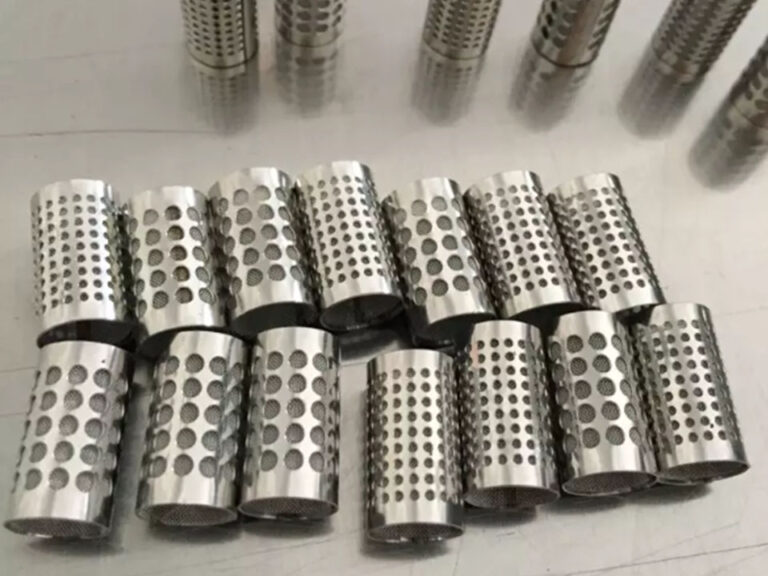
Perforated plate composite mesh cartridges arranged in rows, featuring cylindrical metal bodies with different perforation patterns and mesh-lined interiors.

A perforated plate sintered mesh filter cartridge pairs multilayer sintered wire mesh with a perforated metal support. The support helps the filter keep its shape under pressure, flow surges, and backwash cycles. This guide covers the construction, how it differs from other sintered metal media, where it fits, and which operating details engineers and buyers should define before requesting a quote.

Read MoreWhat Is a Perforated Plate Sintered Mesh Filter Cartridge?

Pleated vs Non-Pleated Sintered Metal Filters: Which Should You Choose?

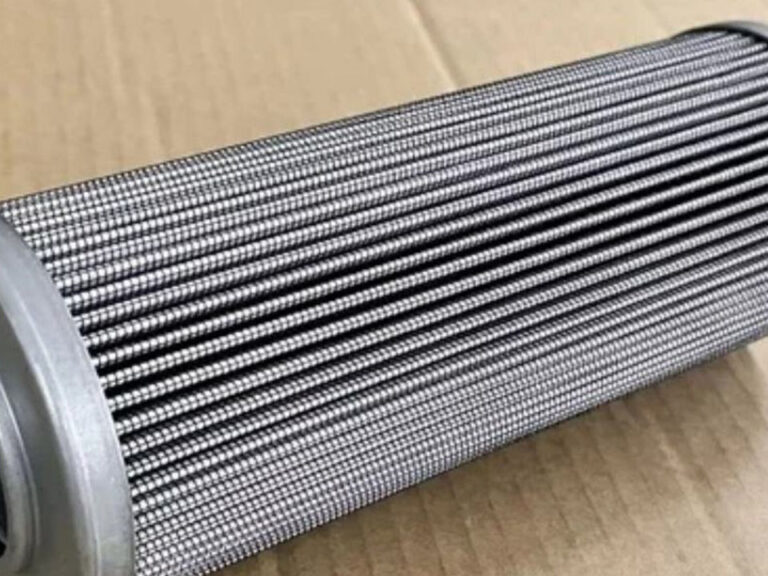
Detailed view of a sintered pleated filter showing tightly spaced stainless steel wire mesh pleats and a reinforced metal end cap.

Pleated sintered metal cartridges add filtration area inside a fixed housing. Non-pleated cartridges offer a rigid, simple structure. This guide explains how each design affects face velocity, pressure drop, dirt holding, cleaning, and mechanical strength. It also covers selection by operating condition, common specification mistakes, and the process data to prepare before requesting a quotation.

Read MorePleated vs Non-Pleated Sintered Metal Filters: Which Should You Choose?

What Is a Sintered Metal Fiber Felt Filter and How Does It Work?

Sintered felt filters in overlapping flat metal fiber sheets, featuring dense nonwoven fiber structures and textured surfaces.

A sintered metal fiber felt filter traps particles inside a bonded three-dimensional network of fine metal fibers instead of stopping them at a single surface. This article explains how that structure affects dirt-holding capacity, pressure drop, and cleanability. It compares felt with mesh, powder, and pleated media, and lists the operating details buyers should define before requesting a quotation.

Read MoreWhat Is a Sintered Metal Fiber Felt Filter and How Does It Work?

Sintered Mesh vs Woven Wire Mesh: Which Is Better for Industrial Filtration?

Close-up of three sintered mesh filter cartridges showing fine mesh structures and different stainless steel end connections.

Sintered mesh and woven wire mesh both use metal wire, but they behave very differently under pressure, flow, and cleaning. This guide explains how bonding, layering, and weave style affect pore stability, pressure drop, backwashing, and mechanical strength. It also shows when each option makes sense and which operating details buyers should define before requesting a quotation.

Read MoreSintered Mesh vs Woven Wire Mesh: Which Is Better for Industrial Filtration?

What Is a Five-Layer Sintered Mesh Filter and How Does It Work?

Close-up of a small cylindrical sintered mesh filter held between fingers, showing its fine woven metal mesh structure.

A five-layer sintered mesh filter bonds several woven wire layers into one rigid porous sheet, with each layer assigned a job: protection, particle retention, flow distribution, or structural support. This guide explains how the layers work together, how they compare with other sintered media, and which specification points buyers should confirm before ordering.

Read MoreWhat Is a Five-Layer Sintered Mesh Filter and How Does It Work?

Sintered Metal Filters vs Stainless Steel Mesh Filters: What’s the Difference?

Sintered metal filters with smooth porous cylindrical bodies and stainless steel threaded connectors.

Sintered metal filters and stainless steel mesh filters both use metal media, but they retain particles in different ways. This article explains how pore structure, micron rating methods, pressure drop, cleaning behavior, and mechanical stability differ. It also lists the process details to prepare before requesting a quotation, so engineers and buyers can match the media to the duty instead of the label.

Read MoreSintered Metal Filters vs Stainless Steel Mesh Filters: What’s the Difference?

How to Choose Sintered Plastic Fluidization Plates for Bulk Powder Handling

Six white cylindrical Material Processing Filters arranged side by side, displaying flat porous ends and threaded fittings for industrial filtration.

This guide explains how engineers and buyers can specify porous plastic fluidization plates for silos, hoppers and powder conveying equipment. It covers powder characterization, permeability versus pore size, distributor pressure drop, PE, PP and PTFE tradeoffs, support and sealing details, air quality, maintenance, and the information needed for an accurate RFQ.

Read MoreHow to Choose Sintered Plastic Fluidization Plates for Bulk Powder Handling