Application Engineering

Application engineering insights for filtration systems design, integration, troubleshooting and optimization across industrial processes and industries.

What Does a PP Filter Do?

Three white PP filter cartridges with tightly wound polypropylene yarn, crisscross patterns, and hollow cylindrical cores for sediment filtration.

A PP filter is a polypropylene cartridge that mechanically retains suspended solids such as sand, rust, silt, and scale before they reach pumps, membranes, or process equipment. This guide explains how depth and pleated constructions work, what micron ratings really tell you, which contaminants PP cannot remove, and which operating details buyers should confirm before specifying a cartridge.

Read MoreWhat Does a PP Filter Do?

What Is a Pleated Filter?

Close-up of pleated filter cartridge end connections featuring red double O-ring seals and white slotted protective support cages.

A pleated filter folds its filter media into accordion-style pleats so more surface area fits inside the same cartridge size. This guide explains how pleated cartridges are built, how they differ from melt blown and other depth filters, which media they use, and which specifications buyers should define before requesting a quote for industrial liquid filtration.

Read MoreWhat Is a Pleated Filter?

What Is the Process of Melt Filtration?

Six melt blown filter cartridges in different lengths and end connection designs for industrial water filtration systems.

Melt filtration removes gels, degraded polymer, and foreign particles from molten plastic before it reaches the die or pelletizer. This guide explains the filtration sequence, compares screen packs, continuous screen changers, and porous sintered media, and shows which operating variables matter when specifying a system. It also clarifies why melt blown filter cartridges, which filter liquids, are a different technology.

Read MoreWhat Is the Process of Melt Filtration?

Melt Blown vs. Pleated Sediment Filter Cartridges: Which Should You Choose?

Three string-wound sediment filter cartridges with different winding patterns, including stainless steel threaded and O-ring end connections.

Melt blown and pleated cartridges both remove suspended solids, but they load, fail, and cost differently in service. This guide explains how depth and surface-dominant filtration behave under real particle loads. It covers micron rating pitfalls, pressure drop, flow capacity, and staged filtration. It also lists the operating data engineers and buyers should gather before requesting a quotation.

Read MoreMelt Blown vs. Pleated Sediment Filter Cartridges: Which Should You Choose?

What Is the Best Sediment Filter Cartridge for Well Water?

Assorted sediment filter cartridges in different sizes and end configurations for industrial water treatment and particle filtration.

No single cartridge is best for every private well. The right choice depends on the particles in your water, how heavy the load is, and what equipment sits downstream. This guide compares melt blown, pleated, high flow, and sintered cartridges. It also covers staged micron selection, iron-related fouling, pressure drop monitoring, and the details to include in a cartridge specification or RFQ.

Read MoreWhat Is the Best Sediment Filter Cartridge for Well Water?

What Is a Sintered Pleated Filter and How Does It Work?

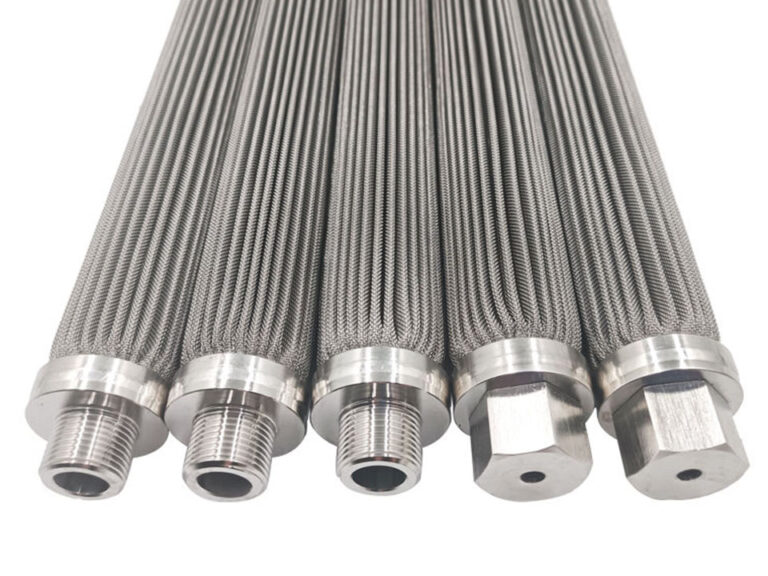
Close-up of five sintered pleated filters featuring fine metal mesh pleats and stainless steel threaded and hexagonal end fittings.

This article explains what a sintered pleated filter is, how pleated metal mesh or fiber media captures solids, and why pleating changes pressure drop and cleaning behavior. It also covers cleaning methods, material and rating considerations, common specification mistakes, and the operating data buyers should prepare before requesting a quotation for an industrial application.

Read MoreWhat Is a Sintered Pleated Filter and How Does It Work?

Why Are Sintered Metal Fiber Felt Filters Used in Polymer Melt Filtration?

Small cylindrical sintered felt filters featuring fine metal mesh exteriors, reinforced circular rims, and mounting tabs.

Polymer melts carry hard particles and deformable gels, and a filter medium has to handle both at high temperature without shedding fibers or collapsing under pressure. This article explains how sintered metal fiber felt works in melt filtration, how it compares with woven screens and pleated candle designs, and which operating details buyers should define before requesting a quotation.

Read MoreWhy Are Sintered Metal Fiber Felt Filters Used in Polymer Melt Filtration?

How Do Porous Plastic Filters Work in Powder Fluidization and Material Processing?

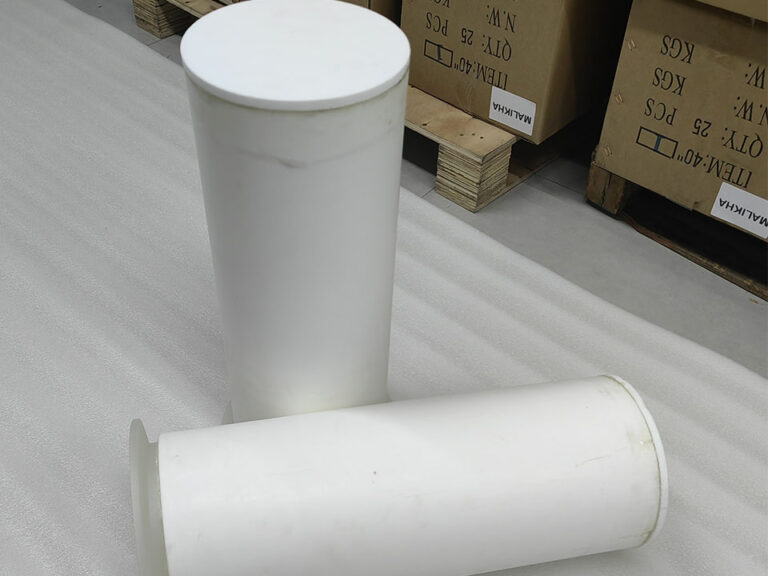
Two large white cylindrical Material Processing Filters with smooth surfaces and flanged ends, displayed upright and horizontally.

Porous plastic does two jobs in powder handling: it spreads compressed gas evenly through a bed or hopper, and it keeps the powder from migrating back into the air supply. This article explains how that works, where pore size, plate thickness, air quality, and static control matter, and which questions to settle before you request a quote for a custom porous plastic element.

Read MoreHow Do Porous Plastic Filters Work in Powder Fluidization and Material Processing?

What Are the Different Types of Industrial Filters?

Custom Industrial Filter Cartridges in various shapes and sizes, including porous cylinders, hollow tubes, rectangular blocks, and filter housings.

Industrial filters can be grouped by the fluid they treat, the way they capture particles, and how they are built. This guide explains bag, melt blown, pleated, sintered, membrane, and strainer-type filters. It also covers the tradeoffs buyers should weigh, including micron rating, pressure drop, chemical compatibility, and cleanability, so you can narrow your options before requesting a quotation.

Read MoreWhat Are the Different Types of Industrial Filters?