Blog

Global insights on sintered plastic, sintered metal and sediment filter cartridges, covering material selection, application engineering, performance, maintenance, sourcing and compliance for industrial filtration systems.

What Is the Difference Between Pleated and Melt Blown Filters?

Four white Pleated Filter Cartridges in various lengths, displaying cylindrical filter bodies, fin-style connectors, and sealed end caps.

Pleated and melt blown cartridges both remove suspended solids, but they do it in different ways. This guide explains how each one is built, how micron ratings should be read, and where each design makes sense. It also covers pressure drop, dirt-holding capacity, cleaning limits and common specification mistakes, so engineers and buyers can match the cartridge to the actual process fluid.

Read MoreWhat Is the Difference Between Pleated and Melt Blown Filters?

What Is a High Flow Filter?

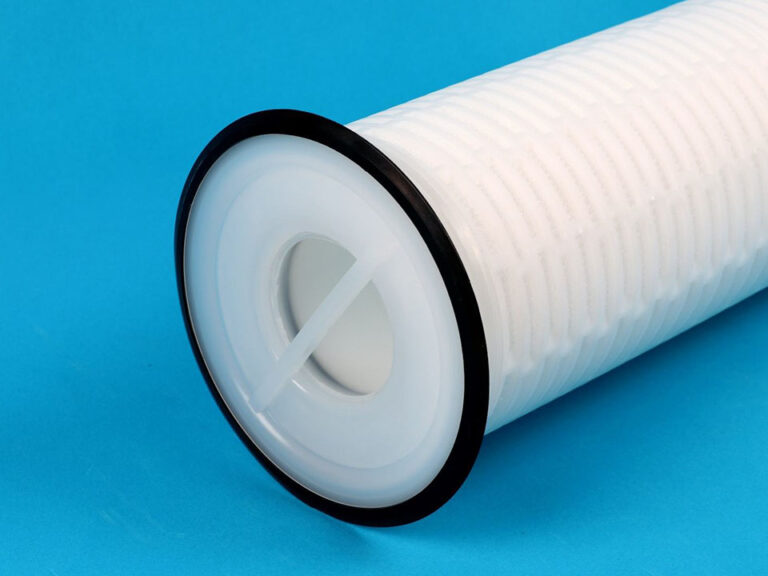
Full-length High Flow Filter Cartridges with a white cylindrical slotted outer cage and integrated metal pull handle on a blue background.

A high flow filter packs a large amount of pleated media into a large-diameter cartridge so one element can handle the flow that would otherwise need many standard cartridges. This guide explains how the design works, how it differs from conventional cartridges, where it fits best, and which specifications buyers should settle before requesting a quotation.

Read MoreWhat Is a High Flow Filter?

What Is the Flow Rate of a Filter Cartridge?

High Flow Filter Cartridges with blue end caps, black sealing rings, and protective packaging ready for industrial supply.

Filter cartridge flow rate is the volume of fluid a cartridge passes per unit of time at a stated pressure drop. This guide explains how flow rate is rated, why micron size, viscosity, media area, and fouling change it, and how engineers and buyers can size cartridges using clean differential pressure, safety margins, and complete operating data instead of a single catalog number.

Read MoreWhat Is the Flow Rate of a Filter Cartridge?

What Is the Melt Blown Technique?

Assorted white filter cartridges with smooth, textured, wound, and slotted surfaces displayed on a blue background.

Melt blowing turns molten polymer into a web of very fine, randomly laid fibers in a single continuous step. This guide explains how the process works, which variables control fiber size and density, and how the same principle is used to make depth-type sediment filter cartridges. It also covers the limits of melt blown media and what to specify when sourcing cartridges.

Read MoreWhat Is the Melt Blown Technique?

What Is a Melt Blown Filter Cartridge?

Two white melt blown filter cartridges featuring cylindrical depth filtration media and double O-ring connectors.

A melt blown filter cartridge is a depth filter made from thermoplastic microfibers, most often polypropylene, and it is widely used as a sediment prefilter. This guide explains how the cartridges are made, how graded density captures particles, why nominal ratings differ between suppliers, and which specification details buyers should confirm before ordering replacements or designing a new filtration system.

Read MoreWhat Is a Melt Blown Filter Cartridge?

Spin Down vs. Cartridge Sediment Filters: Which Is Better?

Four string-wound sediment filter cartridges showing layered white yarn filtration media and cylindrical support cores.

Spin down filters and cartridge sediment filters solve different parts of the same problem. This guide explains how a flushable screen differs from a depth or pleated cartridge, how micron range, dirt-holding capacity, pressure drop, and maintenance compare, and when a two-stage setup makes sense. It also lists the specifications buyers should define before requesting a cartridge quotation.

Read MoreSpin Down vs. Cartridge Sediment Filters: Which Is Better?

How to Choose a 20-Inch Sediment Filter Cartridge for Water Filtration

Sediment Filter Cartridges showing long and short cylindrical designs, red O-ring seals, and protective plastic packaging.

This guide explains how to specify a 20-inch sediment filter cartridge for water systems. It covers housing fit, nominal versus absolute micron ratings, melt blown, pleated, string wound and sintered constructions, flow and pressure drop, temperature limits, and replacement planning, and it ends with an RFQ checklist that helps engineers and buyers request accurate quotations.

Read MoreHow to Choose a 20-Inch Sediment Filter Cartridge for Water Filtration

How Do Pleated Filters Work?

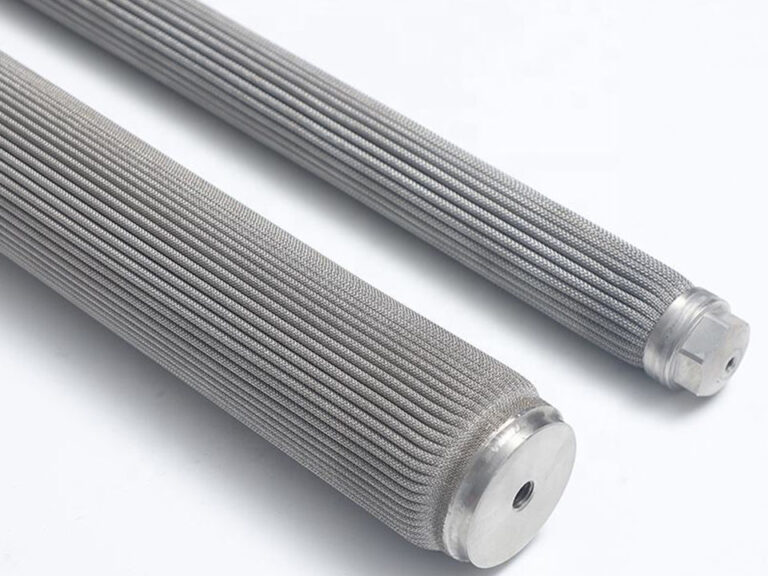
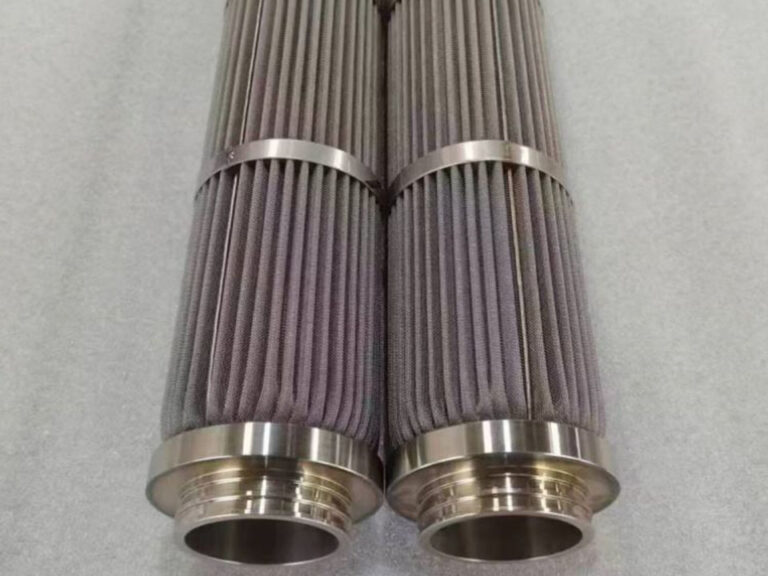
Close-up of sintered pleated filters showing detailed metal mesh pleats, cylindrical construction, and precision-machined end caps.

Pleated filters fold flat media into compact cartridges that offer far more filtration area than a plain tube. This article explains how that added area affects flow velocity, pressure drop, and service life, why more pleats are not always better, how pleated media types differ, and which operating details buyers should define before specifying a pleated sintered metal cartridge.

Read MoreHow Do Pleated Filters Work?