Blog

Global insights on sintered plastic, sintered metal and sediment filter cartridges, covering material selection, application engineering, performance, maintenance, sourcing and compliance for industrial filtration systems.

What Is an Industrial Filter?

Two white cylindrical industrial filter cartridges with hollow cores and porous surfaces for industrial filtration applications

An industrial filter is a device that separates unwanted solids, droplets, or aerosols from a liquid or gas by passing it through a porous medium. This article explains what industrial filters do, the main categories and constructions, how ratings such as nominal, absolute, and beta ratio differ, where sintered plastic elements fit, and the questions to answer before specifying or ordering a replacement.

Read MoreWhat Is an Industrial Filter?

Industrial Sintered Plastic Filter Cartridge Selection Guide

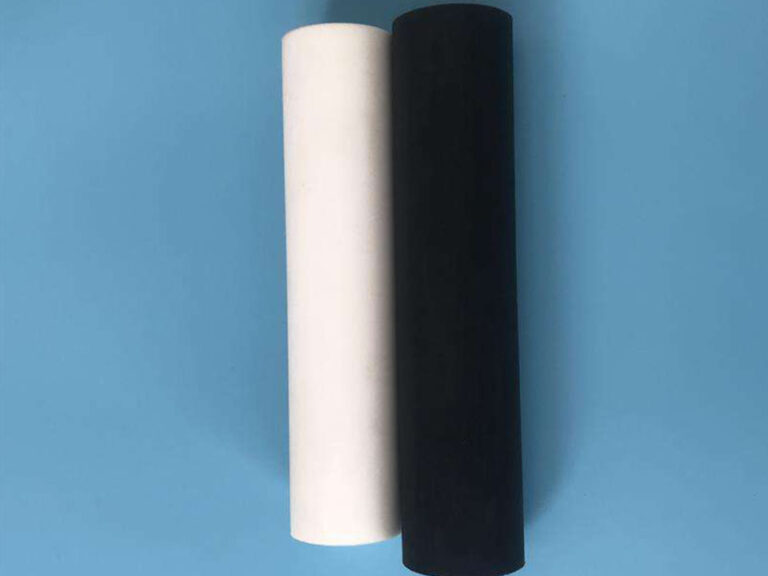
White and black cylindrical industrial filter cartridges with porous surfaces for industrial liquid and air filtration applications.

Specifying a sintered plastic filter cartridge for industrial service means working through the operating window, chemistry, pore size, differential pressure, housing fit, and cleaning method in a sensible order. This guide explains each decision, flags the common mistakes, shows when a different filter type is the better choice, and lists the data a supplier needs before quoting a custom cartridge.

Read MoreIndustrial Sintered Plastic Filter Cartridge Selection Guide

How to Choose Sintered Plastic Filters for Laboratory Applications

Laboratory Filter pipette tips arranged horizontally with cylindrical porous filter inserts in different sizes for sample contamination control.

Selecting a sintered plastic filter for a laboratory starts with the job it must do, such as reagent filtration, venting, or instrument protection. This guide walks through pore size and porosity, material and wetting behavior, geometry and assembly, cleaning and carry-over, and documentation, then lists the information to send a supplier when requesting a custom porous component.

Read MoreHow to Choose Sintered Plastic Filters for Laboratory Applications

What Filter Is Used in Laboratory?

Laboratory filter plugs displayed above three blue pipette tips with white porous filter inserts for aerosol protection.

There is no single laboratory filter. The right one depends on the task: filter paper for collecting solids, membrane discs and syringe filters for sample preparation, glass fiber prefilters for heavy samples, PTFE membranes for venting and aggressive solvents, and sintered porous plastics for reagent lines and instrument protection. This guide explains how to match each to your sample and method.

Read MoreWhat Filter Is Used in Laboratory?

What Plastics Are Used in Medical Devices?

White cylindrical medical filter cartridges in various sizes displayed with a blue plastic connector and porous filter cup.

Medical devices use a wide range of plastics, including polypropylene, polyethylene, PVC, polycarbonate, PEEK, and PTFE, each chosen for a specific job. This article summarizes common materials and typical uses, explains the selection criteria such as sterilization, extractables, and mechanical needs, and shows where porous sintered plastics fit for venting and filtration. It also lists the information to send a supplier.

Read MoreWhat Plastics Are Used in Medical Devices?

What Is a Cartridge Filter in the Pharmaceutical Industry?

Collection of medical filter components featuring porous cylindrical cartridges, filter discs, and plastic connectors.

In pharmaceutical manufacturing, a cartridge filter is a replaceable filter element installed in a housing to remove particles or microorganisms from liquids and gases. This article explains the main types, where they sit in a process, how prefilters differ from sterilizing-grade membranes, why integrity testing and documentation matter, and what information to share with a supplier before requesting a quote.

Read MoreWhat Is a Cartridge Filter in the Pharmaceutical Industry?

What Is a PA Filter?

Close-up of black PA sintered filter cartridges with stainless steel threaded connectors arranged in rows.

A PA filter is a filter whose medium is polyamide, commonly called nylon. This article explains the main forms, including membranes, meshes, and rigid sintered elements, and how nylon handles alkalis, solvents, acids, oxidizers, and moisture. It also compares PA with PE, PP, and PTFE and lists the operating data to share with a supplier before requesting a quote.

Read MoreWhat Is a PA Filter?

What Is a PTFE Filter Used For?

Assorted cylindrical porous filter cartridges in white, black and brown with metal fittings, illustrating PTFE sintered filter cartridge options

A PTFE filter is chosen when chemistry, temperature, or moisture rules out other media. This article explains the difference between PTFE membranes and sintered PTFE elements, then walks through the main uses: aggressive chemical and solvent filtration, gas filtration and venting, liquid protection, and laboratory or pharmaceutical processes. It also covers wetting, cost, and the data to share with a supplier.

Read MoreWhat Is a PTFE Filter Used For?

What Is The Full Form Of PP Cartridge?

Two long PP Sintered Filter Cartridges with hollow cores and smooth cylindrical surfaces arranged diagonally.

PP stands for polypropylene, but a PP cartridge is not one single product. Melt blown, string wound, pleated, and sintered cartridges can all use polypropylene, and they behave differently in flow, dirt capacity, cleaning, and temperature tolerance. This article explains the term, compares the four constructions, outlines polypropylene's strengths and limits, and lists what to confirm before ordering.

Read MoreWhat Is The Full Form Of PP Cartridge?

What is the Sintering PE Filter ?

Assorted PE sintered filter cartridge components in custom shapes, including porous discs, rings, rods, and cylinders.

A sintered PE filter is a rigid porous element made by bonding polyethylene powder with heat and pressure. This article explains how the structure forms, how it captures particles, which properties matter when specifying one, and where its limits lie, including temperature, solvent and oxidizer compatibility, and cleaning. It also lists the operating data buyers should share with a supplier before requesting a quote.

Read MoreWhat is the Sintering PE Filter ?