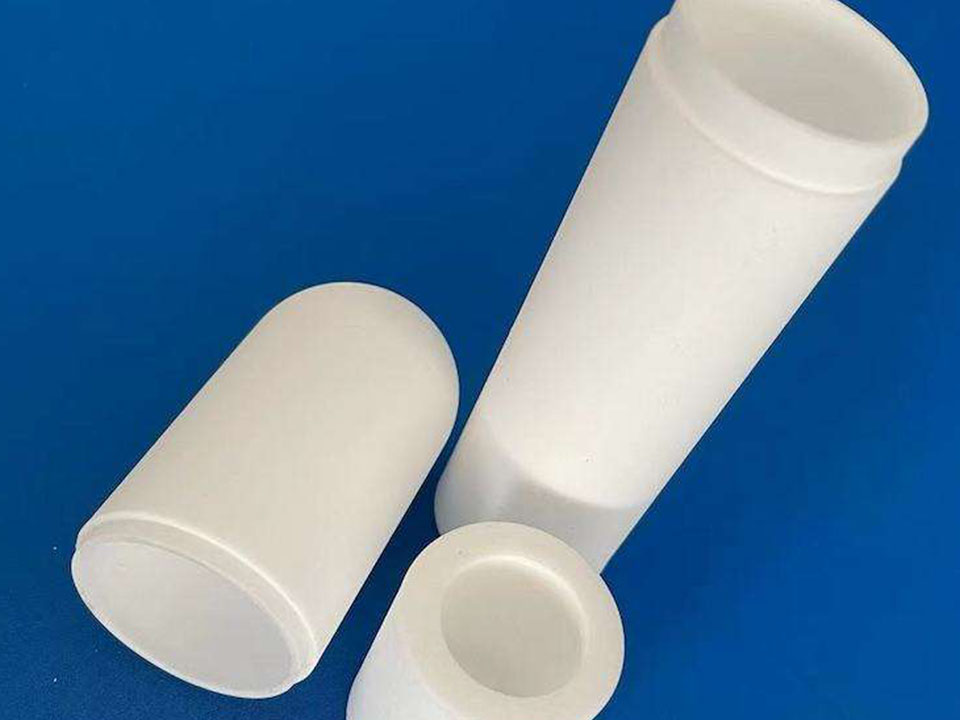
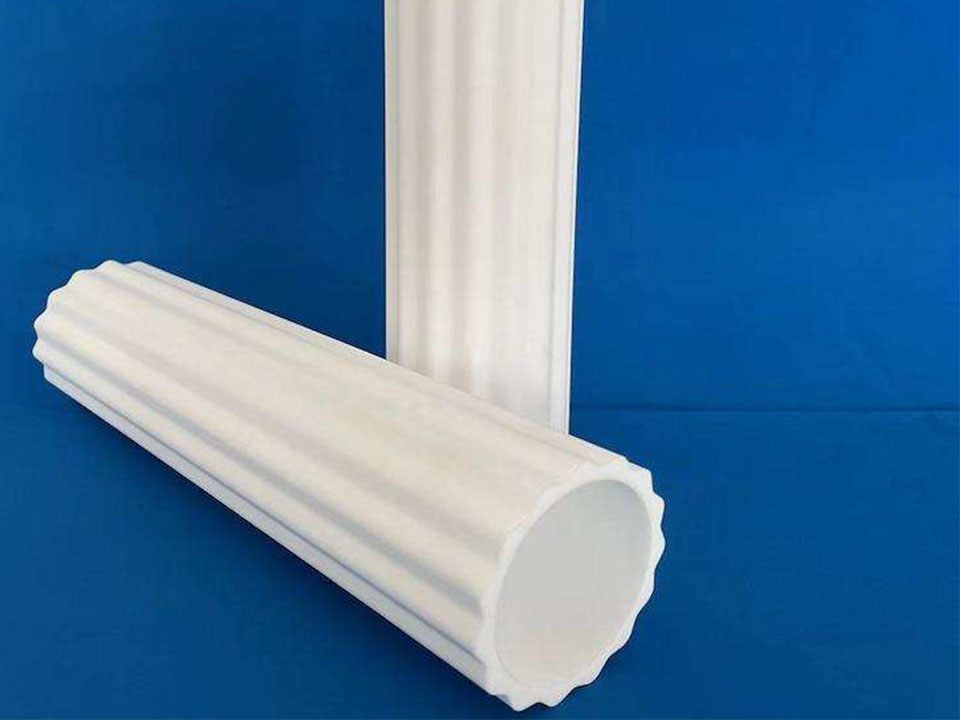
Before you leave, we invite you to talk directly with our managing team to ensure you receive the most accurate technical guidance, pricing support, and customization options for your project. Our experts can quickly evaluate your requirements, recommend suitable sintered plastic filter solutions, and help you reduce sourcing risks while improving efficiency, consistency, and long-term supply stability for your industrial applications.
Need Help Selecting the Right Filter Cartridge?
Our Sales Team
Tell our sales support team your product type, micron rating, size, application, filtered medium, working temperature, pressure, and estimated quantity. We will help you match the right sintered plastic, sintered metal, or sediment filter cartridge.
What Is a Domestic Water Filter Cartridge and How Does It Work?
A domestic water filter cartridge is a replaceable filtration element used in household water treatment systems to remove selected impurities as water passes through a specialized filter medium. Depending on its construction, it may capture sediment, reduce chlorine-related taste and odor, or form part of a system designed to reduce specific microorganisms and dissolved contaminants.
The challenge is that two cartridges with similar dimensions can perform very different jobs. A polypropylene sediment filter and an activated carbon cartridge, for example, are not interchangeable simply because they fit the same housing.
For water filtration equipment manufacturers, OEM engineers, and procurement teams, understanding these differences is necessary before selecting materials, specifying micron ratings, or approving a supplier. The right cartridge must deliver the required filtration performance without creating excessive pressure loss, maintenance costs, or drinking-water safety risks.
What Is a Domestic Water Filter Cartridge?
A domestic water filter cartridge is the removable filtering component inside a household water treatment device. It usually consists of a cylindrical or specially shaped filter medium, sometimes combined with end caps, seals, support structures, or an outer housing.
As incoming water moves through the cartridge, the filter medium retains or reduces targeted substances according to its physical structure and treatment mechanism.
The cartridge is only one part of the filtration system. The housing controls the water pathway, seals prevent untreated water from bypassing the medium, and additional treatment stages may address contaminants that the cartridge cannot remove.
For product developers, this distinction matters. A well-made filtration medium can still perform poorly if its dimensions, sealing surfaces, or flow direction do not match the assembled device.
How Does a Domestic Water Filter Cartridge Work?
A water filter cartridge works by directing water through a medium that separates selected contaminants from the flowing water. The mechanism depends on the filtration technology: mechanical particle retention, adsorption, membrane separation, or a combination of these processes.
Step 1: Water Enters the Filter Housing
Incoming water enters the filtration assembly through an inlet connection.
Depending on the cartridge design, water may travel from the outside of a cylindrical filter toward its hollow center, or in the opposite direction. Some compact cartridges use axial flow rather than radial flow.
The housing and sealing arrangement determine whether water passes through the intended filter medium.
Any unintended gap between the cartridge and housing can allow unfiltered water to bypass the filtration stage.
Step 2: The Filter Medium Captures or Reduces Contaminants
Different media perform different separation functions.
A sediment cartridge retains particles such as sand, rust flakes, and suspended solids. Activated carbon adsorbs certain dissolved compounds onto its extensive internal surface area. Membrane-based cartridges separate contaminants according to membrane properties and operating conditions.
Mechanical filtration may involve both surface capture and depth filtration.
In surface filtration, retained particles accumulate primarily on the exposed medium surface. In depth filtration, particles may become trapped within the internal structure.
Many practical filter materials combine aspects of both mechanisms.
Step 3: Filtered Water Moves Downstream
After passing through the medium, the treated water leaves the cartridge through its designated outlet.
A household system may then direct it to another treatment stage.
For example, a residential RO assembly can use sediment prefiltration, carbon treatment, an RO membrane, and post-treatment components.
Each stage serves a different purpose. Combining them can address a broader range of water quality problems than relying on one cartridge alone.
Step 4: The Cartridge Accumulates Contaminants and Requires Maintenance
Mechanical filters gradually accumulate retained material during operation.
As the filter loads, resistance to water flow generally increases. This can produce a higher pressure drop across the cartridge and reduce the flow available at the outlet.
Carbon media also have a finite treatment capacity. A carbon cartridge may eventually lose its ability to meet a specified contaminant-reduction claim even without an obvious change in water pressure.
Replacement or approved cleaning must therefore follow the cartridge’s validated service conditions rather than appearance alone.
What Are the Different Types of Domestic Water Filter Cartridges?
Domestic water treatment systems use several filtration technologies. Each is suited to different contaminants, water conditions, and operating requirements.
Cartridge type
Main filtration mechanism
Typical application
Main limitation
Melt-blown PP sediment
Particle capture within fibrous media
Sediment prefiltration
Does not reliably remove dissolved chemicals
Pleated sediment
Particle capture on and within pleated media
Higher-flow particulate filtration
Performance depends on medium and available surface area
Sintered PE or PP
Particle retention within rigid porous media
Compact sediment filtration and OEM assemblies
Not a substitute for chemical or validated microbial treatment
Activated carbon
Adsorption of selected substances
Chlorine taste and odor reduction; specified chemical reduction
Capacity is finite and contaminant-specific
Ultrafiltration membrane
Membrane separation
Selected microbial and fine-particle control
Does not generally remove dissolved salts
Reverse osmosis membrane
Pressure-driven membrane separation
Reduction of selected dissolved substances
Requires suitable pretreatment and operating pressure
These differences affect both system performance and replacement economics.
A disposable melt-blown cartridge may be appropriate for a low-cost residential sediment filter. A pleated cartridge may suit an application needing greater media area in a fixed housing. A rigid sintered element can be useful when mechanical stability, a compact geometry, or customized pore structure matters.
For manufacturers evaluating porous polymer components across multiple industries, sintered plastic filter cartridges by application provide a useful starting point for matching filter designs to operating environments.
The correct cartridge is the one that meets the required duty, not necessarily the one manufactured using the most advanced process.
What Contaminants Can a Domestic Water Filter Cartridge Remove?
The substances a cartridge can reduce depend on the filter medium, pore characteristics, water chemistry, and verified product performance.
A mechanical sediment filter is principally designed for suspended solids. It may retain sand, silt, pipe debris, and particulate rust, but it should not be assumed to remove dissolved lead, arsenic, nitrate, or other dissolved substances.
Carbon-based cartridges can reduce selected chemicals through adsorption. The actual results depend on carbon properties, contact time, influent concentration, and cartridge design.
Membranes can address smaller contaminants, but their performance varies substantially with membrane type.
For a manufacturer, this creates a clear specification boundary: a micron rating describes a filtration characteristic; it does not establish a complete drinking-water safety claim.
A sediment cartridge that improves water clarity should not be marketed as removing viruses or dissolved heavy metals without appropriate supporting performance evidence.
Where Are Domestic Water Filter Cartridges Installed?
Domestic filter cartridges are used in two broad system arrangements: point-of-use and point-of-entry filtration.
Point-of-Use Filtration
Point-of-use (POU) devices treat water at a specific location, such as a kitchen faucet or water dispenser.
These systems generally handle lower flow rates than whole-house systems and may need compact filter cartridges compatible with limited installation space.
An under-sink cartridge, for example, must fit within the available cabinet space while allowing enough room for replacement and maintenance.
For OEM development, the key considerations include cartridge length, outer diameter, sealing design, pressure drop, replacement accessibility, and compatibility with other treatment stages.
Point-of-Entry Filtration
Point-of-entry (POE) systems treat water entering the residence before it reaches the household plumbing network.
A whole-house sediment cartridge may protect downstream plumbing components and appliances from particulate contamination.
Unlike a drinking-water-only cartridge, a POE filter must accommodate simultaneous household demand. Its usable flow capacity and pressure loss become major design considerations.
A cartridge optimized for a small drinking-water dispenser may be unsuitable for a whole-house installation, even if its nominal particle rating looks appropriate.
How Are Sintered Plastic Filter Cartridges Used in Domestic Water Systems?
Sintered plastic filter cartridges are manufactured by bonding polymer particles under controlled processing conditions to create a rigid structure containing interconnected pores.
Common materials include polyethylene (PE) and polypropylene (PP).
Unlike a loose fibrous medium, a sintered filter has a self-supporting porous body. Its pore structure and geometry can be adjusted during product development.
In domestic applications, sintered plastic elements may serve as sediment filters, prefiltration components, or particulate-control elements in appliances and dispensers.
Sintered polymer filters may offer several engineering advantages when appropriately designed:
A rigid structure that supports repeatable installation
Customizable pore characteristics and cartridge geometry
Particle capture within an interconnected porous network
Potential for cleaning or reuse in validated applications
Compatibility with compact or specially designed OEM assemblies
These advantages are conditional.
A rigid porous filter is not automatically more resistant to clogging than a pleated or melt-blown cartridge. Dirt-holding capacity depends on particle distribution, pore structure, filtration area, flow rate, and contaminant loading.
Similarly, cleanability does not establish unlimited service life. Fouling, mechanical damage, and sanitation requirements can limit the number of acceptable cleaning cycles.
Example: A PE Sintered Cartridge for an OEM Water System
Consider a manufacturer developing a compact household water filtration assembly with a removable cylindrical sediment filter.
Before adopting such a component, the equipment manufacturer would need to confirm its compatibility with the intended water source, operating temperature, flow rate, pressure range, and drinking-water contact requirements.
The component’s industrial or water-treatment suitability alone does not establish certification for residential drinking-water use.
How Do You Choose the Right Micron Rating?
Micron rating is among the most frequently misunderstood filter specifications.
One micron (µm) equals one-thousandth of a millimeter. Cartridge ratings use microns to describe a filter’s particle-retention characteristics, but the rating method matters.
Nominal vs. Absolute Micron Ratings
A nominal rating describes particle retention under a specified convention or test condition. The retention efficiency associated with nominal ratings is not necessarily consistent between manufacturers.
An absolute rating generally indicates a more strictly defined particle-retention limit, but buyers should still request the test method and demonstrated efficiency.
The CDC explains that an absolute 1-micron filter has pores no larger than 1 micron under the definition it describes, whereas a nominal or mean 1-micron filter may contain larger openings.
For industrial and OEM procurement, the practical lesson is straightforward: do not compare two cartridges solely because both suppliers label them “1 micron.”
Request the relevant test method and particle-retention performance data.
Why Smaller Micron Ratings Are Not Always Better
A finer filter may retain smaller particles, but it can also increase hydraulic resistance and clog more rapidly in sediment-heavy water.
Consider an incoming water supply containing coarse sand alongside fine suspended particles.
Installing a very fine cartridge as the first treatment stage may create unnecessary maintenance demand.
A staged design could use a coarse prefilter followed by a finer cartridge.
However, this should be validated using the actual water quality and operating conditions. There is no universal micron rating that works best for every household installation.
For procurement teams, a supplier should explain the trade-off between particle retention, initial pressure loss, dirt-holding capacity, and service interval.
What Causes Domestic Water Filter Cartridges to Lose Flow?
A reduction in filtered-water flow can result from increasing pressure loss across the cartridge, insufficient available inlet pressure, blocked flow passages, or problems elsewhere in the filtration assembly.
In sediment applications, retained particles accumulate over time and reduce the effective pathways available for water flow.
The speed of this process depends heavily on source-water quality.
A practical example appeared in a January 2026 discussion on Reddit’s WaterTreatment community. A homeowner described visible sediment accumulation in a 5-micron cartridge after approximately two weeks. Participants focused on measuring pressure drop and considering whether a coarser prefilter would be appropriate.
The discussion is an individual experience, not a performance study. It highlights a useful engineering problem: filter life cannot be judged reliably from micron rating or calendar age alone.
How OEM Engineers Can Evaluate Cartridge Loading
A meaningful cartridge performance test should consider:
Initial pressure drop at the specified operating flow.
Pressure drop as particulate material accumulates.
Particle-retention performance under representative water conditions.
Total water throughput before a defined replacement threshold.
Structural and sealing integrity during operation.
Where testing resources permit, suppliers and system designers should compare cartridges using the same test conditions.
For example, two cartridges can have similar initial pressure drops but differ considerably in how quickly resistance increases during contaminant loading.
Those differences influence replacement intervals, customer satisfaction, and warranty exposure.
Are Domestic Water Filter Cartridges Safe for Drinking Water?
A domestic water filter cartridge can be suitable for drinking-water applications when its materials, construction, and finished-system performance meet the applicable requirements.
The use of PE, PP, or another commonly used polymer does not, by itself, establish drinking-water compliance.
Buyers should distinguish between material suitability and verified finished-product performance.
Relevant POU treatment standards include their own material-safety testing requirements, while specified POE products must also comply with NSF/ANSI/CAN 61 requirements.
This means buyers should not assume that every household water filter component requires the same certification pathway.
For a custom sintered PE cartridge, the OEM should establish which requirements apply to the finished device and request appropriate documentation covering the wetted materials, processing aids, and intended use.
Supplier quality management certification and product-specific drinking-water certification should also be treated as separate forms of evidence.
What Should Buyers Consider When Selecting a Domestic Filter Cartridge?
Cartridge selection should begin with the water quality problem and the intended system, rather than the available catalog sizes.
Three decisions carry particular weight.
1. Match the Filtration Mechanism to the Contaminant
A sediment cartridge is appropriate when the objective is particulate removal.
A carbon stage may be needed for a specified taste, odor, or chemical reduction goal.
Membrane treatment or other validated processes may be required for more demanding chemical or microbiological targets.
An incorrectly selected technology cannot be corrected simply by specifying a smaller nominal micron rating.
2. Verify Mechanical Compatibility
Cartridge dimensions are only part of the mechanical interface.
An OEM replacement component may also require precise control over end-cap geometry, gasket compression, connection details, and installation orientation.
Small dimensional differences can cause leakage or bypass even when the filter appears to fit inside the housing.
Engineering drawings and representative installation testing are therefore preferable to relying on product photographs or nominal dimensions.
3. Evaluate Operating Cost, Not Just Purchase Price
The least expensive cartridge is not necessarily the lowest-cost solution over its service life.
A more complete comparison includes cartridge purchase price, replacement frequency, cleaning requirements where applicable, shipping costs, installation labor, and disposal.
For distributor programs, stock availability and dimensional consistency can be equally significant.
A low-priced cartridge with inconsistent sealing dimensions or unpredictable replacement demand may create warranty and service expenses that exceed its initial savings.
What Specifications Should OEM Buyers Include in an RFQ?
A supplier can provide a more useful quotation when the request describes both the filter component and the operating conditions.
For custom domestic filtration projects, the RFQ should include the following information.
Specification
Information to provide
Why it matters
Application
Under-sink, countertop, dispenser, or whole-house
Establishes installation and flow requirements
Water source
Municipal water, well water, or other source
Helps identify likely loading and treatment needs
Filter material
PE, PP, activated carbon, or other media
Determines compatibility and manufacturing approach
For a sintered plastic component, additional attention should be given to pore structure, dimensional tolerances, batch consistency, and cleanliness.
If the manufacturer offers standard and customized designs, buyers can review the domestic filter cartridge product category before deciding whether an existing element can meet the project requirements.
What Should Be Verified Before Approving Production?
A representative sample should be evaluated under conditions relevant to the final water treatment device.
A sensible qualification process includes dimensional inspection, initial flow and pressure-drop testing, particle-retention testing, sealing checks, and any required water-contact or contaminant-reduction validation.
Where applicable, manufacturers should also establish incoming material controls, lot traceability, inspection criteria, and corrective-action procedures.
Approval should depend on documented performance rather than visual similarity to an existing cartridge.
This approach helps reduce sourcing uncertainty before tooling approval, bulk purchasing, or introduction into an OEM product line.
Frequently Asked Questions
1. How often should a domestic water filter cartridge be replaced?
Replacement depends on cartridge technology, water quality, usage, and manufacturer instructions. Sediment cartridges may require replacement when pressure drop rises or rated capacity is reached. Carbon cartridges must also respect their validated treatment capacity, even when water flow remains normal.
2. Can a sediment filter cartridge remove bacteria and viruses?
A standard household sediment cartridge should not be assumed to remove bacteria or viruses. Microbial removal requires appropriate media, validated pore characteristics, and supporting performance claims. Consumers with microbiologically unsafe water may need dedicated membrane treatment or disinfection.
3. Is a 1-micron water filter better than a 5-micron filter?
Not necessarily. A finer cartridge may capture smaller particles but can increase pressure loss or clog sooner. Selection should depend on the required retention efficiency, actual water contaminants, flow requirements, and any downstream treatment stages.
4. Can a sintered PE water filter cartridge be cleaned and reused?
Some sintered PE cartridges can be cleaned under specified conditions. Reuse depends on contaminant type, pore fouling, cleaning compatibility, and drinking-water hygiene requirements. A manufacturer should validate filtration performance and cleanliness after cleaning before approving a reusable design.
5. What is the difference between a PP sediment filter and an activated carbon cartridge?
A PP sediment cartridge primarily captures suspended particles such as sand and rust. Activated carbon works mainly through adsorption of selected substances, commonly including chlorine-related taste and odor compounds. Many household systems use both technologies for different treatment purposes.
6. Can domestic filter cartridges be customized for OEM equipment?
Yes. Depending on the manufacturer and technology, customization may include cartridge dimensions, porous material, micron rating, connection geometry, and packaging. OEM buyers should supply drawings, operating requirements, estimated quantities, and applicable compliance requirements for technical evaluation and quotation.
7. What documents should a domestic water filter cartridge supplier provide?
Appropriate documentation may include material identification, engineering drawings, dimensional inspection reports, filtration performance data, batch traceability, and applicable compliance or certification evidence. Documentation requirements should reflect the destination market, intended water-contact application, and claims made for the finished treatment system.