How to Choose Sintered Plastic Fluidization Plates for Bulk Powder Handling

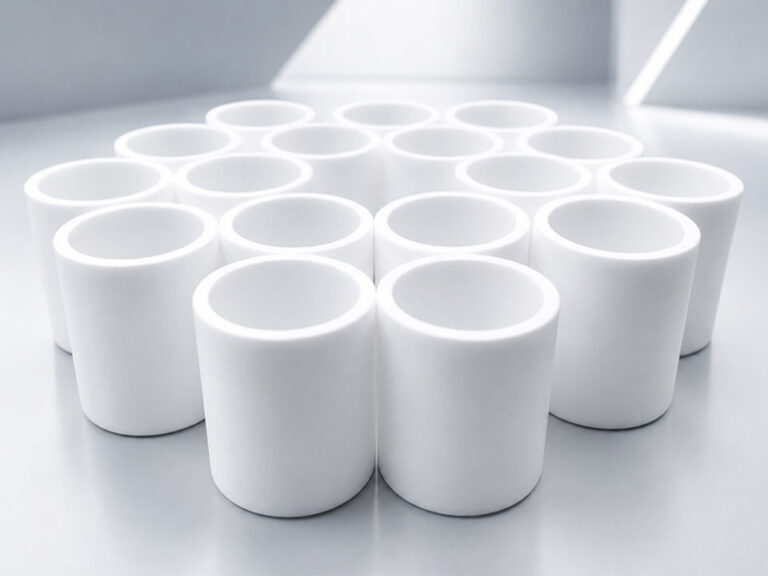
Six white cylindrical Material Processing Filters arranged side by side, displaying flat porous ends and threaded fittings for industrial filtration.

This guide explains how engineers and buyers can specify porous plastic fluidization plates for silos, hoppers and powder conveying equipment. It covers powder characterization, permeability versus pore size, distributor pressure drop, PE, PP and PTFE tradeoffs, support and sealing details, air quality, maintenance, and the information needed for an accurate RFQ.

Read MoreHow to Choose Sintered Plastic Fluidization Plates for Bulk Powder Handling

How Do Porous Plastic Filters Work in Powder Fluidization and Material Processing?

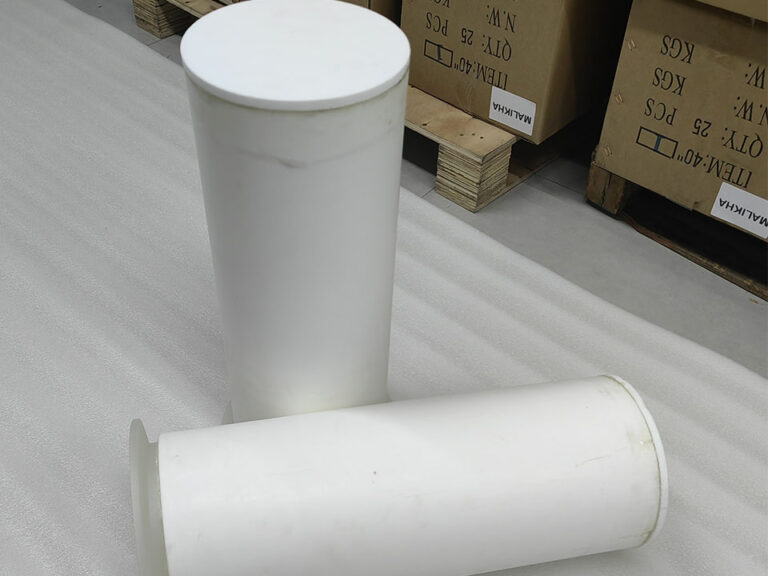
Two large white cylindrical Material Processing Filters with smooth surfaces and flanged ends, displayed upright and horizontally.

Porous plastic does two jobs in powder handling: it spreads compressed gas evenly through a bed or hopper, and it keeps the powder from migrating back into the air supply. This article explains how that works, where pore size, plate thickness, air quality, and static control matter, and which questions to settle before you request a quote for a custom porous plastic element.

Read MoreHow Do Porous Plastic Filters Work in Powder Fluidization and Material Processing?