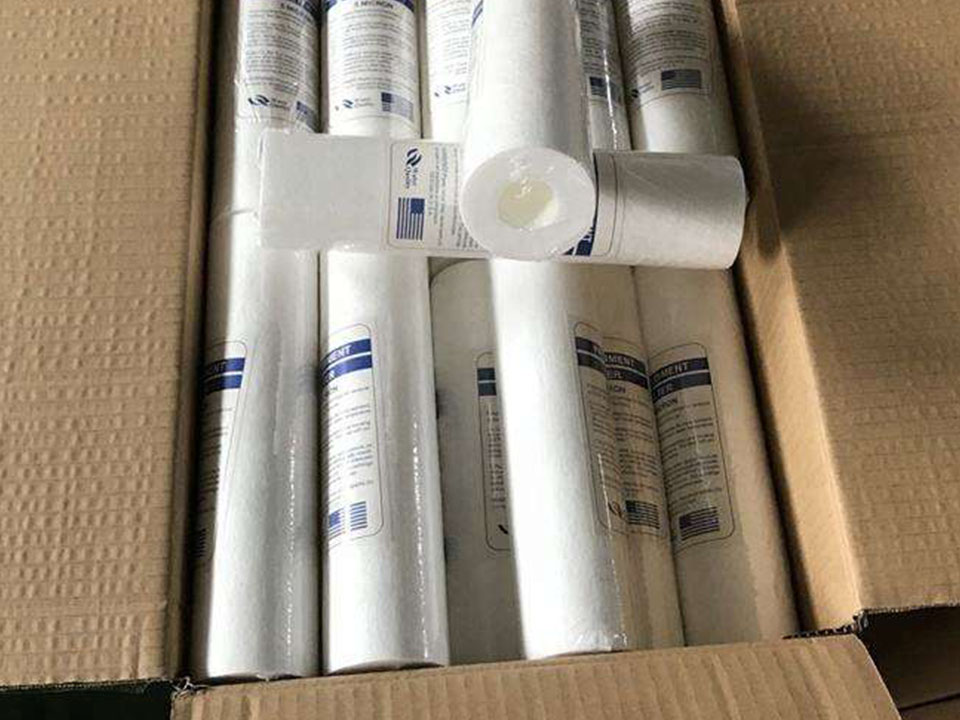
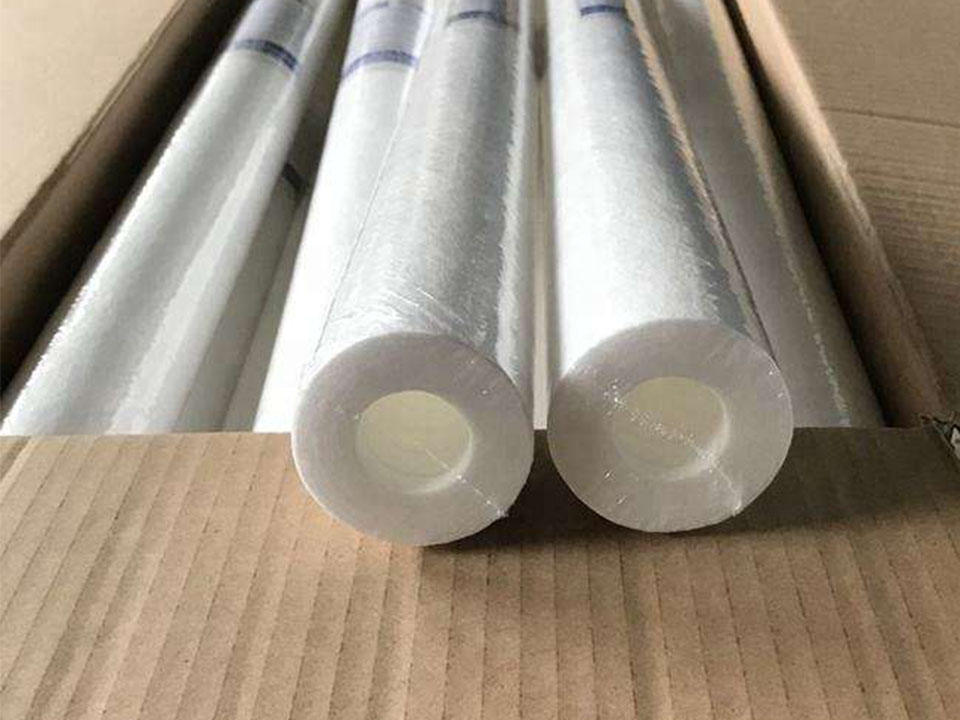
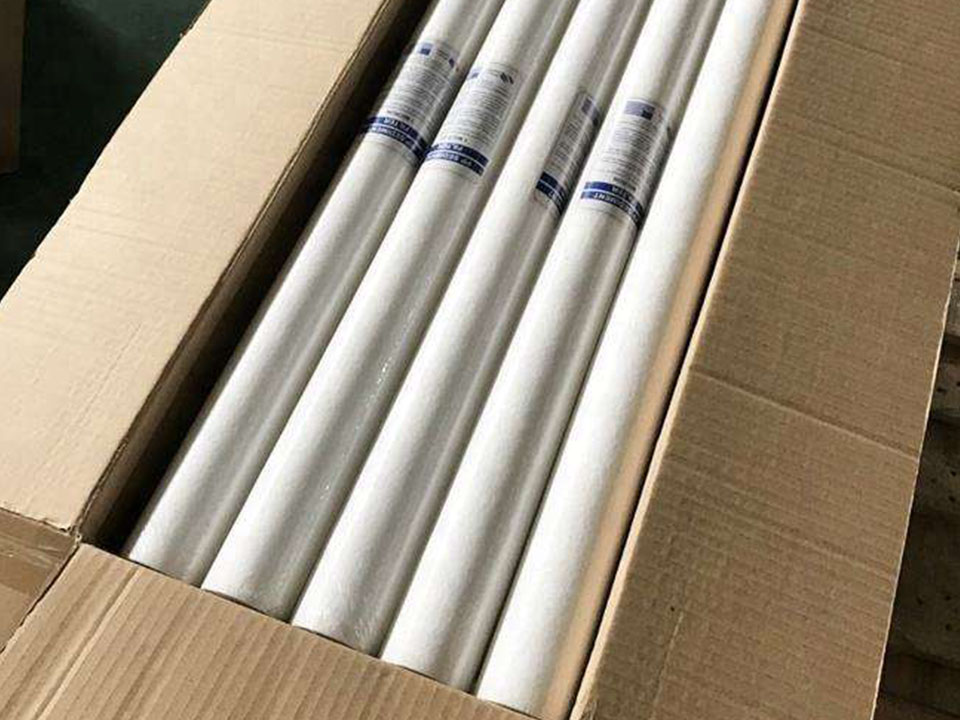
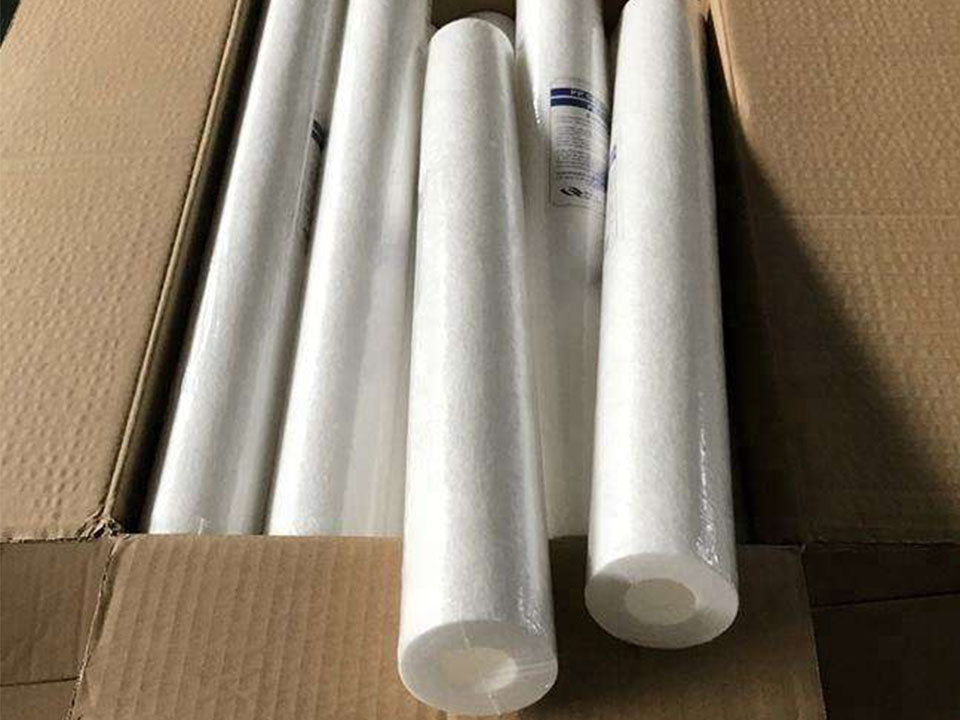
Antes de terminar, convidamo-lo a falar diretamente com a nossa equipa de gestão para garantir que recebe o aconselhamento técnico mais preciso, apoio em matéria de preços e opções de personalização para o seu projeto. Os nossos especialistas podem avaliar rapidamente as suas necessidades, recomendar soluções adequadas de filtros de plástico sinterizado e ajudá-lo a reduzir os riscos de abastecimento, melhorando simultaneamente a eficiência, a consistência e a estabilidade do abastecimento a longo prazo para as suas aplicações industriais.
Precisa de ajuda para escolher o cartucho de filtro certo?
A nossa equipa de vendas
Indique à nossa equipa de apoio às vendas o tipo de produto, a classificação em mícrons, o tamanho, a aplicação, o meio filtrante, a temperatura de funcionamento, a pressão e a quantidade estimada. Ajudá-lo-emos a escolher o cartucho filtrante adequado, seja de plástico sinterizado, de metal sinterizado ou de sedimentos.
Que produtos químicos são compatíveis com os cartuchos de filtro sinterizados de PP?
Polypropylene (PP) sintered filter cartridges generally handle a wide range of dilute and moderate-strength acids, alkalis, and salt solutions. They are a poor fit for strong oxidizers, halogens, and many aromatic or chlorinated solvents. But “generally compatible” is not a specification. The same chemical can be harmless at room temperature and damaging at 60°C, and a rating developed on solid molded polypropylene does not automatically transfer to a porous filter element.
This article explains which chemical families PP tolerates, where it fails, and what to confirm before you specify a cartucho filtrante de PP sinterizado for a chemical process.
Solvation. The chemical is absorbed into the polymer, causing swelling and softening. In mild cases it can be reversible.
Chemical reaction. The polymer’s molecular structure changes, which lowers molecular weight and strength. This damage is permanent.
The same source notes that higher temperature increases both the rate of reaction and the rate at which solvents diffuse into the polymer. It also notes that applied stress can accelerate attack and that resistance generally falls as chemical concentration rises.
For filtration, each mechanism shows up differently. Swelling can narrow pores and raise pressure drop. Oxidative degradation can make the wall brittle, so a cartridge that looks intact may crack under differential pressure or during handling.
Chemical Families and How PP Generally Behaves
The table below summarizes general behavior based on published resin-supplier guidance, such as the Guia de resistência química da INEOS PP. It describes the material in general. It is not a performance rating for any specific cartridge.
Chemical family
General PP behavior
Main cautions
Salt solutions (chlorides, sulfates, nitrates)
Em geral, bom
Check for oxidizing contaminants in the stream
Alkalis (sodium hydroxide, ammonium hydroxide)
Em geral, bom
Confirm temperature and any dissolved oxidizers
Non-oxidizing mineral acids (hydrochloric, phosphoric, dilute sulfuric)
Generally good at moderate temperature and concentration
Concentration and temperature limits apply
Organic acids (acetic acid)
Em geral, bom
Verify at the actual temperature and concentration
Alcohols and glycols
Em geral, bom
Some higher alcohols are rated less favorably as temperature rises
Ketones and esters
Varies by chemical
Acetone is rated satisfactory in the INEOS guide at moderate temperatures, but some acetates, such as butyl and amyl acetate, are not
Aliphatic hydrocarbons, fuels, oils
Varia
Swelling risk increases with temperature; test the actual blend
Aromatic and chlorinated solvents
Generally poor
Benzene, chlorobenzene, and carbon tetrachloride are rated unsatisfactory or limited at elevated temperatures
Strong oxidizers and halogens
Generally unsuitable
Concentrated nitric acid, chlorine, bromine, and hypochlorite solutions can degrade PP
The ketone and ester row shows why chemical family is only a starting point. Two compounds with similar functional groups can behave very differently, so verify the exact compound.
Acids and Alkalis
For many process buyers, the main reason to consider PP is its tolerance of water-based acid and alkali streams. Examples include pH adjustment lines, etching or plating rinse water, and caustic cleaning solutions. Within moderate temperature and concentration ranges, PP is a common choice in these services.
The key distinction is between non-oxidizing and oxidizing acids. Hydrochloric and phosphoric acid behave very differently from concentrated nitric acid or strong chromic acid mixtures. A stream labeled simply “acid” does not carry enough information to qualify the material.
Solventes
Solvent compatibility is where PP selections most often go wrong. Aromatic hydrocarbons and chlorinated solvents can swell or soften polypropylene, and the effect worsens as the fluid warms. If your process fluid is a solvent blend, test the blend itself. Rating each component separately can miss synergistic effects.
Oxidizers and Bleach-Type Chemicals
LyondellBasell points out that failures in PP exposed to bleach look like environmental stress cracking, but the underlying cause is oxidative degradation. Treat hypochlorite, chlorine, bromine, and concentrated nitric acid as high-risk, even when a published chart shows a favorable rating at low concentration or temperature. Chlorinated water at low residual levels is a different case from concentrated hypochlorite dosing. The oxidizer concentration and exposure time determine the outcome.
Why a Resin Chart Does Not Fully Qualify a Sintered Cartridge
Published charts typically describe solid polypropylene, often as immersed test specimens. A sintered cartridge differs in several ways that matter for chemical exposure:
High internal surface area. The fluid contacts far more polymer surface per unit volume than it does in a molded part, so degradation or swelling can progress differently.
Thin load-bearing structure. The bonded particle necks carry the mechanical load, and attack on those contact points can reduce strength before any visible change appears.
Pressure and flow stress. Differential pressure, pulsation, and backflushing add mechanical load on top of chemical exposure.
Resin grade and manufacturing. Additives, resin grade, and sintering conditions can differ between products, so general material behavior should not be read as confirmed performance for a particular cartridge.
Compatibility also extends beyond the porous element. End caps, adapters, gaskets, O-rings, and the housing must all tolerate the fluid. A PP element in an incompatible seal arrangement is still a failed filter.
Finally, chemical compatibility is separate from wettability. PP is hydrophobic, so a cartridge that resists a low-surface-tension fluid chemically may still behave differently in terms of wetting and start-up flow. Discuss this with your supplier when the process fluid is not water-based.
Educação Física is a common alternative when the project needs a different balance of toughness and cost. Its chemical behavior overlaps with PP, but not completely.
PTFE is typically evaluated when the process includes aggressive solvents or oxidizers that exceed PP’s limits, usually at higher material cost and with different handling requirements.
Nylon can suit some applications but responds to chemicals differently, especially strong acids.
No sintered plastic is universally superior. The goal is to match the polymer to the actual fluid, temperature, and pressure.
Information to Gather Before Specifying PP
A supplier cannot confirm suitability from a chemical name alone. Prepare the following:
Full chemical composition, including concentrations and trace contaminants such as dissolved oxidizers
Temperatura normal e máxima de funcionamento
Pressão de serviço e pressão diferencial prevista
Exposure type: continuous flow, intermittent contact, or cleaning cycles
Cleaning or sterilization method, including any caustic, acid, or steam steps
Required micron rating, flow rate, and cartridge dimensions
Compliance requirements for the end use, if any
For borderline cases, run an immersion or coupon test with the actual fluid at operating temperature before committing to production quantities. ASTM D543 is one standard practice used to evaluate the resistance of plastics to chemical reagents, though it was written for solid specimens and should be adapted thoughtfully for porous media.
If your application needs non-standard shapes, such as custom sintered plastic filter balls, the same compatibility review applies, since geometry changes surface area and mechanical loading.
Are PP sintered filter cartridges compatible with strong acids?
It depends on whether the acid is oxidizing. PP generally tolerates non-oxidizing acids such as hydrochloric and phosphoric at moderate concentration and temperature. Concentrated nitric acid and similar oxidizing acids can degrade it. Always verify the specific acid, concentration, and temperature.
Can PP sintered filters be used with sodium hydroxide?
Polypropylene is generally considered resistant to alkalis, including sodium hydroxide, and resin suppliers list concentrated caustic soda as satisfactory. Confirm the operating temperature and make sure no oxidizing additives are present in the solution.
Can I use a PP sintered cartridge with organic solvents?
Sometimes. Alcohols and some ketones are often acceptable, while aromatic hydrocarbons and chlorinated solvents generally are not. Esters vary widely. Because mixtures can behave differently from individual components, test the actual fluid.
Does PP resist chlorine and bleach?
Not reliably. Oxidizing agents such as chlorine, bromine, and hypochlorite can cause oxidative degradation of polypropylene. Low-level chlorinated water is not the same as concentrated bleach, so the concentration and exposure time must be evaluated.
Is a published chemical resistance chart enough to select a cartridge?
No. Charts are a useful screening tool, but they usually describe solid PP under controlled conditions. Porous structure, pressure, temperature swings, cleaning chemicals, and the seals and housing materials can all change the outcome.
What if PP is not compatible with my fluid?
Consider alternative sintered materials such as PTFE or other engineered plastics, or a sintered metal option, depending on temperature, pressure, and fluid. A supplier can help compare options once the process data is shared.
Choosing PP With Confidence
Polypropylene is a practical choice for many acid, alkali, and salt-solution filtration jobs. It becomes a risk when the fluid contains strong oxidizers, halogens, or aromatic and chlorinated solvents, or when temperature and concentration push beyond published limits. The reliable approach is to use charts for screening, then confirm the exact fluid, temperature, and mechanical conditions before specifying a cartridge.
If you are evaluating PP for a chemical process, send your fluid composition, operating temperature, pressure, required micron rating, and cartridge dimensions to CFC Filtration. Our team can review the application and discuss suitable sintered plastic materials and configurations.